Every fall and winter, respiratory illnesses like the flu, COVID-19, respiratory syncytial virus (RSV) and the common cold spread quickly.
While no one can completely guarantee they won’t catch something, there are practical steps you can take to significantly lower your risk of getting sick and also of developing serious side effects.
“Respiratory illnesses are contagious. There are simple things that everyone can do to keep themselves and their loved ones healthy throughout the height of respiratory illness season,” Brian Curtis, MD, vice president, chief medical officer, OSF Medical Group, said.
If you’re ready to avoid getting sick and prevent the flu, COVID-19 and RSV, these simple habits can help protect you and your loved ones.
Dr. Curtis shared seven simple and effective healthy habits that help prevent getting sick.
1. Get your flu shot and stay up to date on vaccines
The most effective step for influenza prevention is the annual flu vaccine. It reduces your risk of getting the flu and can make symptoms milder if you do get sick. Talk to your health care provider about staying current on other vaccines, including COVID-19 boosters and RSV protection for infants, older adults and high-risk groups.
Avoid getting sick
2. Avoid close contact with sick individuals
One of the easiest strategies for how to avoid getting sick around a sick person is to keep your distance.
Germs spread quickly through coughing, sneezing or even talking in close proximity. If you’re sick, protect others by staying home and limiting contact. This is one of the best ways to prevent the spread of flu in your household.
3. Stay home when you’re not feeling well
Whether it’s the flu, COVID, RSV or a cold, going to work or school sick puts others at risk. Resting at home not only helps you recover faster but also prevents spreading illness to coworkers, classmates and family members.
4. Cover your coughs and sneezes
Always cover your mouth and nose with a tissue or your elbow when coughing or sneezing. This reduces the chance of passing germs. Wearing a well-fitting mask can also help stop the spread of respiratory illnesses, especially in crowded places.
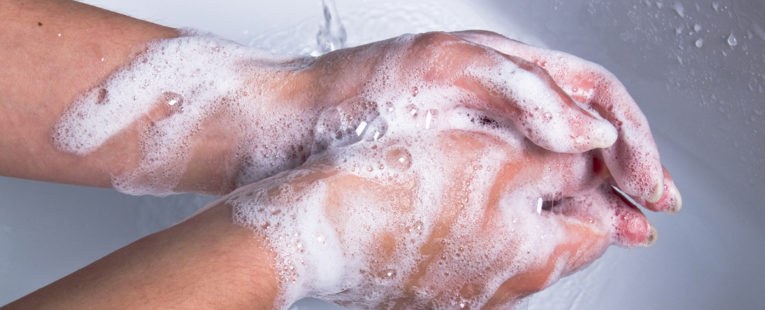
5. Wash your hands often
Good hand hygiene is one of the most reliable ways to not get sick. Wash your hands with soap and warm water for at least 20 seconds, especially after coughing, sneezing or touching surfaces in public. If soap and water aren’t available, use an alcohol-based hand sanitizer with at least 60% alcohol. Hand sanitizer isn’t a replacement for washing your hands. Use hand sanitizer when it’s all that’s available, but remember to wash your hands as soon as possible afterward.
6. Don’t touch your face
Viruses enter your body through your eyes, nose and mouth. By avoiding By avoiding touching your face – especially after being in public – you reduce the chance of infection from contaminated surfaces. This simple habit can help prevent colds, the flu, COVID-19 and RSV.
7. Practice healthy lifestyle habits
A strong immune system is one of your best defenses against illness. Support it by getting enough sleep, eating a balanced diet, staying physically active and managing stress. Regularly clean and disinfect frequently touched surfaces, especially if someone in your home is sick.
Talk to your doctor
Dr. Curtis shared that it’s important to stay on top of your health before, during and after respiratory illness season. Your primary care provider (PCP) can give you personalized guidance on how to avoid the flu, RSV, colds and COVID-19 based on your health and lifestyle. Need a PCP? Find one here.
Last Updated: October 22, 2025