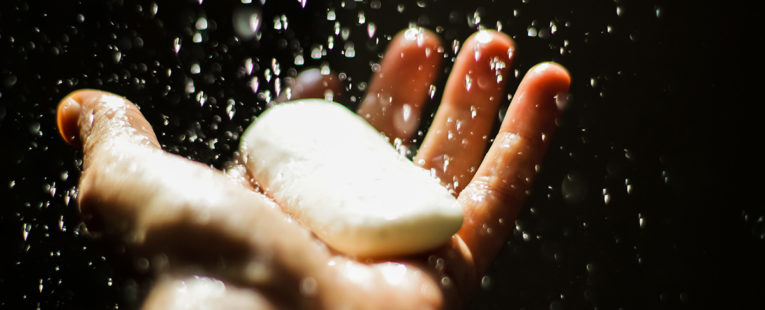
Washing your hands. You’ve been doing it since before you can remember. But why is handwashing important?
Hand hygiene is one of the simplest and most effective ways to protect yourself and your loved ones from germs that cause illness. Proper handwashing helps prevent the spread of common colds, the flu, COVID-19 and even life-threatening infections like sepsis.
“Handwashing is extremely important. We shouldn’t forget the conditions it can prevent,” Brian Curtis, MD, vice president, chief medical officer, OSF Medical Group, said.
Dr. Curtis shared some information about the alarming amount of germs on your hands, when to wash your hands and the correct order of steps for handwashing.
Five Reasons to Start Washing Your Hands Better
1. You Reduce Your Risk of Getting Sick
Every day, you touch your face without realizing it. Germs travel easily from your hands to your eyes, nose and mouth.
Regular handwashing can prevent:
- Influenza A and B
- COVID-19
- Stomach bugs and diarrhea
- Eye and skin infections
- Respiratory illnesses
- Serious infections like sepsis
2. You Avoid Missed School or Work
According to the National Library of Medicine, about 75% of employees miss more than one day of work each year thanks to cold- and flu-related illnesses. But proper hand hygiene can significantly cut these numbers.
The U.S. Centers for Disease Control and Prevention (CDC) notes that washing your hands lowers diarrhea cases by 23-40%, colds by 16-21% and school absences due to stomach illness in kids by up to 57%.
Staying healthy means fewer sick days and more time for the things you enjoy.
3. You Protect Your Family and Community
Hand hygiene doesn’t just protect you – it protects everyone around you. Washing before and after cooking, diaper changes or pet care keeps germs from spreading to loved ones, coworkers and classmates.
Children especially benefit when adults model good hygiene habits. Your routine today sets an example for lifelong health.
4. You Lower Your Risk of Hospital Visits
Soap works by breaking down dirt and oils that trap germs on your skin, allowing them to be rinsed away. This simple action prevents germs from entering wounds, where they could cause serious infections.
“If you touch a wound with unwashed hands, it has the potential of getting infected,” Dr. Curtis said. “That infection can progress to sepsis – a very severe and life-threatening condition – which a simple thing like handwashing can prevent.”
5. You Lead by Example
Healthy habits are contagious. When you wash your hands correctly, others notice. Whether at work, school or home, your example encourages others – especially kids – to follow good hygiene practices, too.
What Is the Correct Order of Steps for Handwashing?

A quick rinse isn’t enough. To really get rid of germs, follow these six steps:
- Wet your hands with clean, running water. Handwashing temperature can be warm or cold.
- Apply hand soap.
- Lather and scrub thoroughly, especially between fingers and under nails.
- If you’re wondering how long you should wash your hands, Dr. Curtis said at least 20 seconds every time. Sing “Happy Birthday” twice if you need a timer.
- Rinse under running water. Use a paper towel to turn off the faucet in public places.
- Dry with a clean towel or air dry.
Hand Soap vs. Hand Sanitizer
- Hand soap and water: This is the gold standard. Soap removes more germs than sanitizer and works even when hands are visibly dirty or greasy.
- Hand sanitizer or antibacterial gel: Dr. Curtis suggests using hand sanitizer when soap and water aren’t available. Choose a sanitizer with at least 60% alcohol. Hand sanitizer spray is also effective for quick use on the go.
Hand sanitizer does not kill all germs and isn’t effective against some stomach bugs. That’s why it should never fully replace handwashing.
When to Wash Your Hands

Even if you know how long to wash your hands, the timing is just as important. You should always wash your hands:
- After using the bathroom
- Before and after preparing food (especially raw meat or seafood)
- Before eating
- After coughing, sneezing or blowing your nose
- After touching pets, pet waste or garbage
- After changing diapers or helping someone in the bathroom
- After touching public surfaces like shopping carts or door handles
Start Building Healthy Habits Easily
Visual reminders make a big difference. Posting a “wash your hands” sign in bathrooms or kitchens can encourage everyone in your household to keep clean, especially kids. You can print a doctor-approved wash your hands poster right here.
Last Updated: December 11, 2025