Seeing someone have a seizure can be scary. You may feel unsure about what to do or how to help. Knowing basic seizure first aid and what to do during epileptic seizure situations can make a big difference. Once you learn how to respond in this type of situation, you’ll know how to keep someone safe until medical help arrives.
What Is Happening During a Seizure?
A seizure happens when a sudden surge of electricity interrupts normal brain activity. This can cause changes in movement, awareness or behavior.
“A seizure can feel different for different people. It can depend on what type of epilepsy or what type of seizure you have,” Thandar Aung, MD, a neurologist at OSF HealthCare Illinois Neurological Institute, said.
Some people may:
- Shake or jerk
- Stare off or seem confused
- Lose awareness or become unresponsive
- Become stiff or fall
No matter the type of seizure, knowing seizure first aid can help you respond quickly and safely.
What To Do If Someone Is Having an Epileptic Seizure
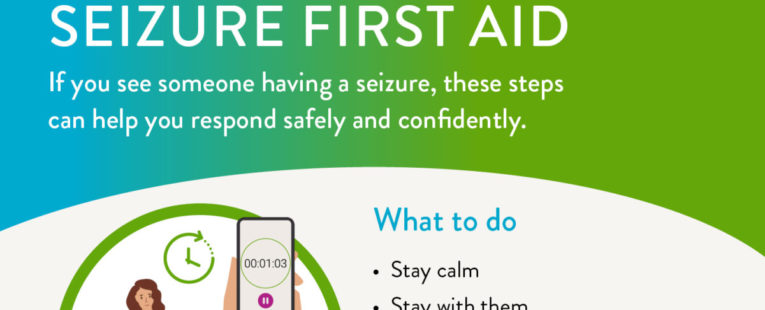
If someone is having a seizure, stay calm and follow these steps:
- Stay with them: Remain nearby and keep an eye on them until the seizure ends.
- Protect them from injury: Help them to the ground or a safe seat if you can. Move hard or sharp objects out of the way. Place something soft and flat under their head, remove their glasses and loosen anything tight around their next. Do not try to restrain their movements.
“You want to make sure that they have something to lean on or sit on so they don’t fall or hit their head,” Dr. Aung said.
- Gently ease them onto their side: If the person is lying on the ground, carefully turn them onto their side when it is safe to do so. This helps keep their airway clear. If someone is having a seizure in which they appear confused or unaware but are still upright and moving, don’t force them down or hold them still. Instead, calmly guide them away from anything dangerous.
- Time the seizure: Use your phone or a watch and pay attention to how many seconds or minutes it’s been since they began seizing. This can help ensure the person gets the right treatment from medical teams if more help is needed.
“Call 9-1-1 if the seizure goes on for longer than five minutes,” Dr. Aung said.
- Stay calm and reassure them afterward: When the seizure ends, they may feel confused or tired. You can ask them how they feel, explain that they had a seizure, and let them know whether or not you called for medical help. If you’re waiting on emergency services, make sure there’s a clear pathway to the door and that it’s unlocked so the EMTs can come right in when they arrive.
“Give them space. They may not know what happened.”
If you’re the one experiencing the seizure, you may feel confused but just remember that it’s important that you treat yourself gently after your experience.
“Mainly stay calm and recollect yourself after your seizure,” Dr. Aung said.
What Not To Do During a Seizure
There are common myths about how to stop seizures, but some actions can actually cause harm.
While helping someone experiencing a seizure, you should never:
- Put anything in their mouth – it is a myth that a person can swallow their tongue, and objects in the mouth can cause choking or injury
- Try to hold them down or stop their movements
- Give food or water during the seizure
Seizures usually stop on their own. Focus on keeping the person safe, timing the seizure and getting them help, not stopping their seizure.
When should you call 9-1-1?
Most seizures do not require emergency care. However, call 9-1-1 if:
- It’s their first seizure
- The seizure lasts longer than five minutes
- The person has trouble breathing, talking or moving after it ends
- They were injured during the seizure
- They have repeated seizures without waking in between
- The seizure happens in water
- The person is pregnant or has another serious health condition, such as diabetes or heart disease
Even if a seizure doesn’t require immediate medical attention, you should always talk to a medical professional after the fact. Your primary care provider (PCP) or neurologist can help figure out what triggered the seizure and how to reduce the chance of more seizures.
“Some patients will say it’s OK that they have a seizure every once in a while,” Dr. Aung said. “That’s not what we want. We want to understand why the seizures happen and how to control them.”
How To Stop Epileptic Seizures
In most cases, a bystander can’t stop an epileptic seizure once it has started.
Some people with epilepsy have a prescribed rescue medication and a seizure action plan from their doctor for seizures that last too long or occur in clusters. If the person has a rescue medication prescribed to them, follow their seizure action plan. Never give someone a medication that was not prescribed for them and never try to give anything by mouth during a seizure.
Your most important role is to keep the person safe from falling, hitting their head or choking. You can do that by getting help when needed and monitoring the situation and how long it lasts. You can even film the seizure, only for the person and their provider to understand how the seizure affected them afterward. Be mindful of the person’s privacy and ask their permission before sharing any recording.
How To Help After the Seizure
When the seizure ends, the person may need time to recover. You can help by speaking calmly and offering reassurance, staying with them until they are fully alert and offering help contacting a friend, family member or provider.
Recovery can take minutes or longer, depending on the type of seizure. The most helpful thing you can do is stay with the person.
Encourage the person to talk to their primary care provider or a neurologist after their seizure.
“Any seizure can turn dangerous, so it’s important to get care and have the best quality of life you can,” Dr. Aung said.
This content is for informational purposes only and is not a substitute for professional medical advice, diagnosis or treatment. Always consult your provider.
Last Updated: August 24, 2026