Hearing the word cancer can feel overwhelming. One of the first questions many people want to know is what treatment options are available to them.
There are several types of cancer treatments, and each works in a different way. Some people receive just one type of treatment, while others receive a combination. Understanding the basics can help you feel more informed and included in choosing a treatment plan for your goals.
“We use biopsies of tumors and genetic testing to determine what type of treatments patients might be able to receive,” Ashley Messmer, DNP, APRN, at OSF HealthCare Cancer Institute said.
Ashley explained how chemotherapy, radiation therapy and immunotherapy work and answered common questions like chemo vs. radiation, immunotherapy vs. chemotherapy, and whether these treatments are the same or different.
Consult with a Cancer Expert
Chemotherapy
Chemotherapy, often called chemo, is a group of powerful medicines that kill cancer cells or stop them from growing. Because chemotherapy travels through the bloodstream, it can treat cancer cells almost anywhere in the body. It is given through infusion, injection or oral pills.
Chemotherapy may be used to:
- Kill remaining cancer cells after surgery
- Shrink tumors before surgery
- Stop cancer from growing
- Treat cancer
- Work alongside radiation or immunotherapy
“Chemotherapy attacks cancer cells in your body, but it can attack healthy cells, too,” Ashley said. “Those healthy cells will eventually grow back.”
Chemotherapy and radiation are two different treatments that work in different ways. Preparing for chemo can help you feel more ready for treatment.
Radiation Therapy
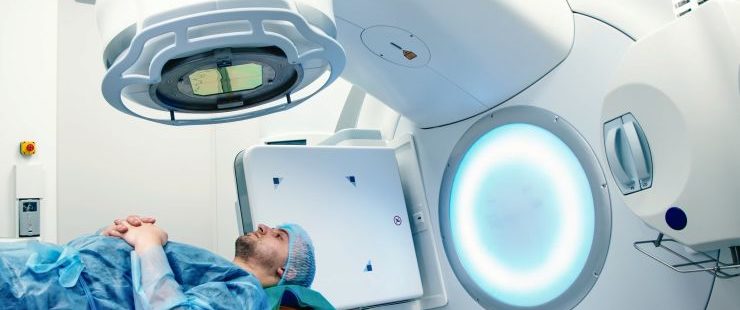
Radiation therapy uses high‑energy beams to kill cancer cells and prevent them from growing. Unlike chemotherapy and immunotherapy, radiation is given externally through X-rays, protons or other particles. It is usually focused on a specific area of the body.
Radiation may be used on its own or combined with chemotherapy to improve results, depending on the type and stage of cancer.
Chemo vs. Radiation
A common question patients ask is, “Which is harder on the body – chemo or radiation?”
It depends on many factors. Each treatment affects the body differently, and side effects vary based on:
- The type of cancer
- The dose and length of treatment
- The area being treated
- Your overall health
One of the biggest differences between chemo and radiation is that chemo treats the whole body and radiation targets the specific area affected by the tumor.
Chemotherapy may cause more whole‑body side effects because it travels through the bloodstream. Radiation side effects are often limited to the treated area. Your care team works closely with you to manage side effects and keep you as comfortable as possible.
Immunotherapy
Immunotherapy is a newer type of cancer treatment that helps your own immune system recognize and attack cancer cells. Immunotherapy can be given through infusion, injection or oral pills.
Immunotherapy is not the same as chemotherapy or radiation.While they all treat cancer, they work very differently.
Immunotherapy vs. Chemotherapy
The key difference between chemotherapy and immunotherapy is how they target cancer. Chemotherapy attacks fast‑growing cells directly while immunotherapy helps your immune system stop and kill cancer cells.
Immunotherapy may cause fewer traditional side effects for some patients, but it can also trigger immune‑related reactions that require close monitoring.
Other Cancer Treatments
Other cancer treatments include hormone therapy and targeted therapy. These treatments may be used alone or alongside other therapies, depending on the type of cancer.
Hormone therapy
Hormone therapy slows or stops the growth of certain cancers – like breast and prostate – by blocking or lowering hormones the cancer needs to grow. Unlike chemotherapy, it does not attack fast‑growing cells throughout the body. It is usually given through injection or pill.
Targeted therapy
Targeted therapy focuses on specific genes, proteins or pathways that help cancer grow and survive. Because it targets cancer cells more precisely, it often causes fewer side effects than chemotherapy.
Using Cancer Treatments Together
Cancer care is rarely one‑size‑fits‑all. Many people receive more than one treatment as part of a personalized care plan. For example:
- Chemotherapy and radiation may be given together
- Immunotherapy may be used after chemotherapy
- Treatments may be spaced out over time to allow the body to heal
Your oncology team considers many factors when recommending treatment, including cancer type, stage and your personal goals for care.
Your Care Team Is Here for You
Understanding your options is an important first step, but you don’t have to figure it out alone. Your care team will take time to explain:
- Why certain treatments are recommended
- How treatments work together
- What side effects to expect
- How to manage symptoms and maintain quality of life
Last Updated: April 23, 2026